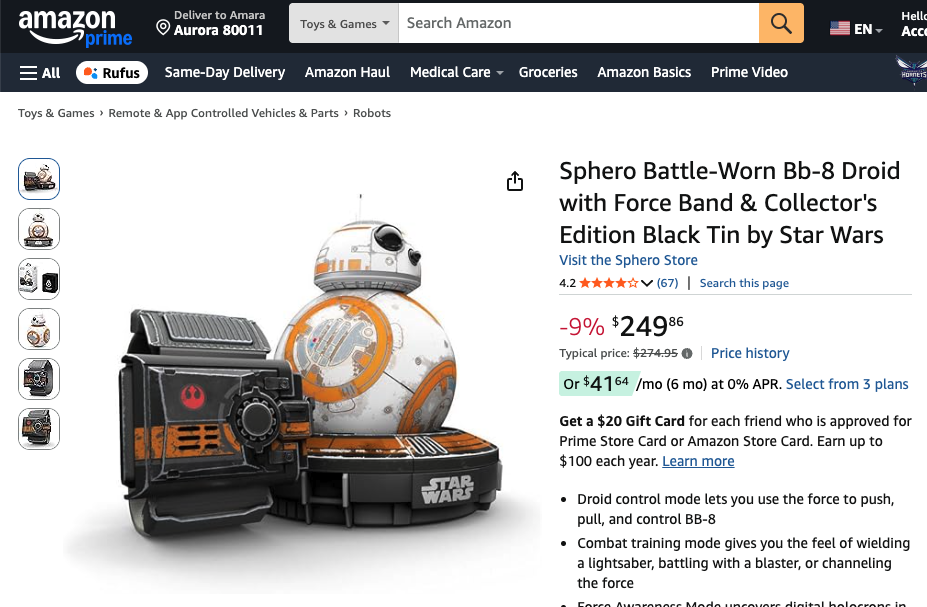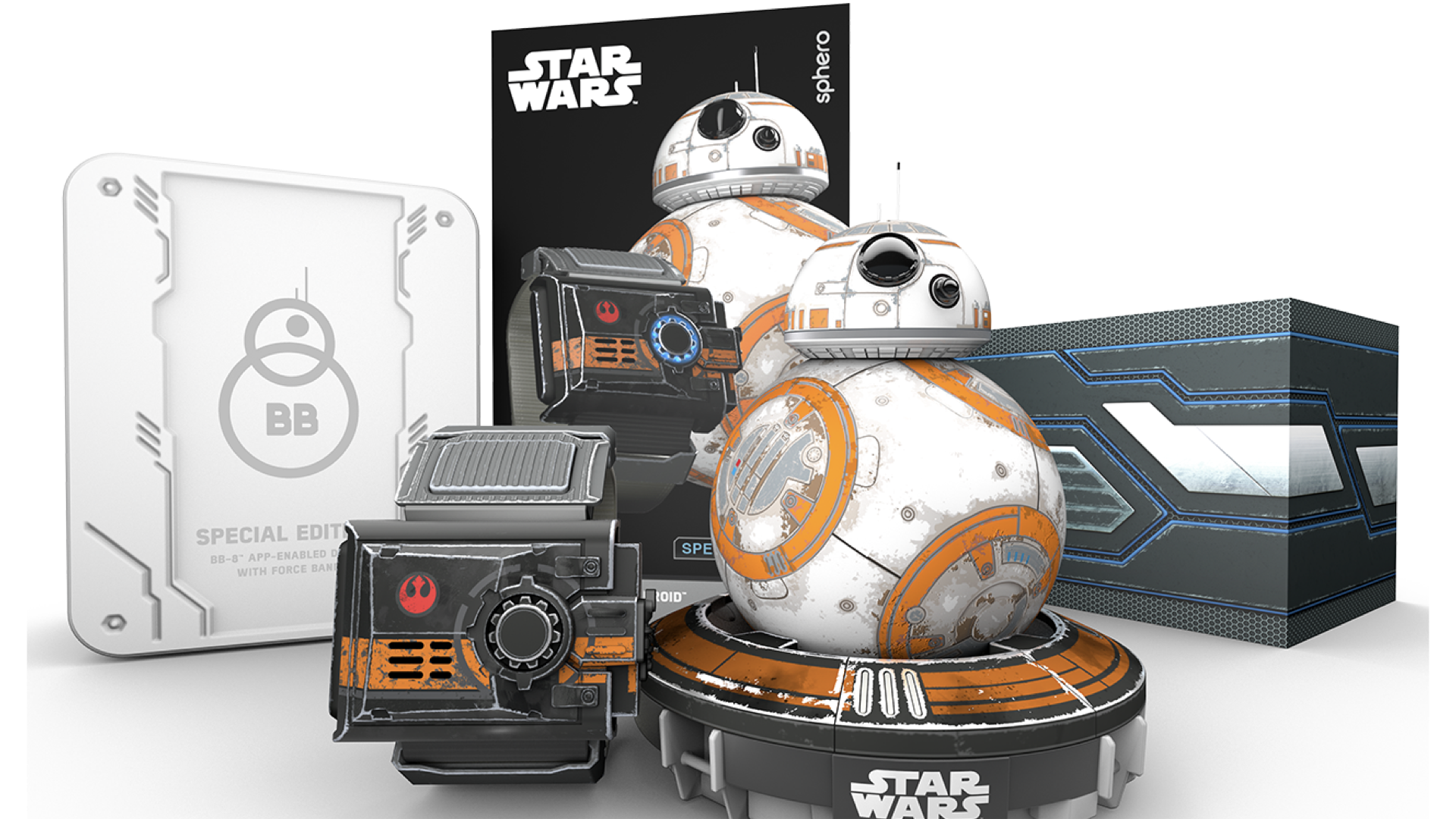
Star Wars BB-8 & Force Band
As part of Star Wars Episode 7: The Force Awakens, I designed a system of interconnected consumer products built around the BB-8 robot companion: its mobile app & a wearable Force Band, designed for driving and playing.
As sole UX design and research lead, I built the research and design program from scratch, hired staff, and ran 600+ play sessions to define an interaction language spanning gesture-based driving, ambient play, and audio/haptic orchestration
My work spanned robot pairing and calibration, Force Band audio/haptic/visual design, and the onboarding sequences that eased players into a genuinely new control paradigm. The result launched successfully across active, ambient, and passive play modes, validated by both player feedback and engagement data.
My results:
Amazon 4.5 stars across 3,885 reviews
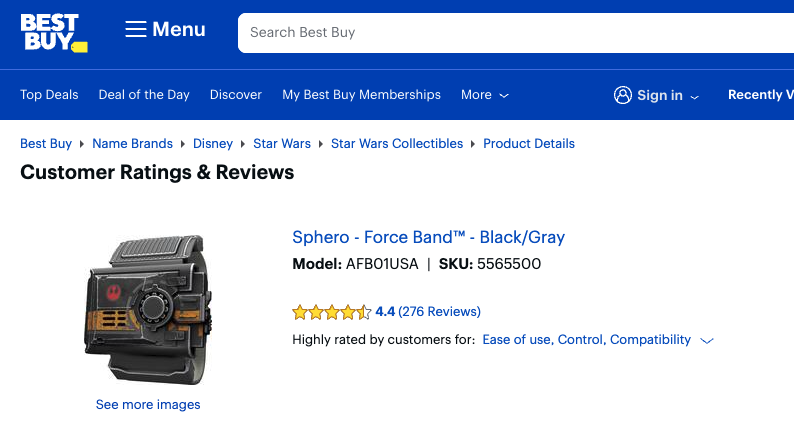
Best Buy 4.4 stars across 276 reviews, with 88% saying they would recommend it
Customers rated it highest for ease of use, control, and compatibility (the dimensions most directly shaped by UX decisions)
The Strategy
The Force Band only worked if it felt like one thing, not three separate products you had to learn separately. If any handoff between gesture, robot, and app felt off, the whole illusion broke and the Force just felt like a remote control.
I made those handoffs the center of the design work, not something to fix at the end. I tested early and often with real players to find where people got confused moving between devices, and kept all 8 partner teams pointed at the same interaction model so nothing shipped out of sync.
First mastery, then play
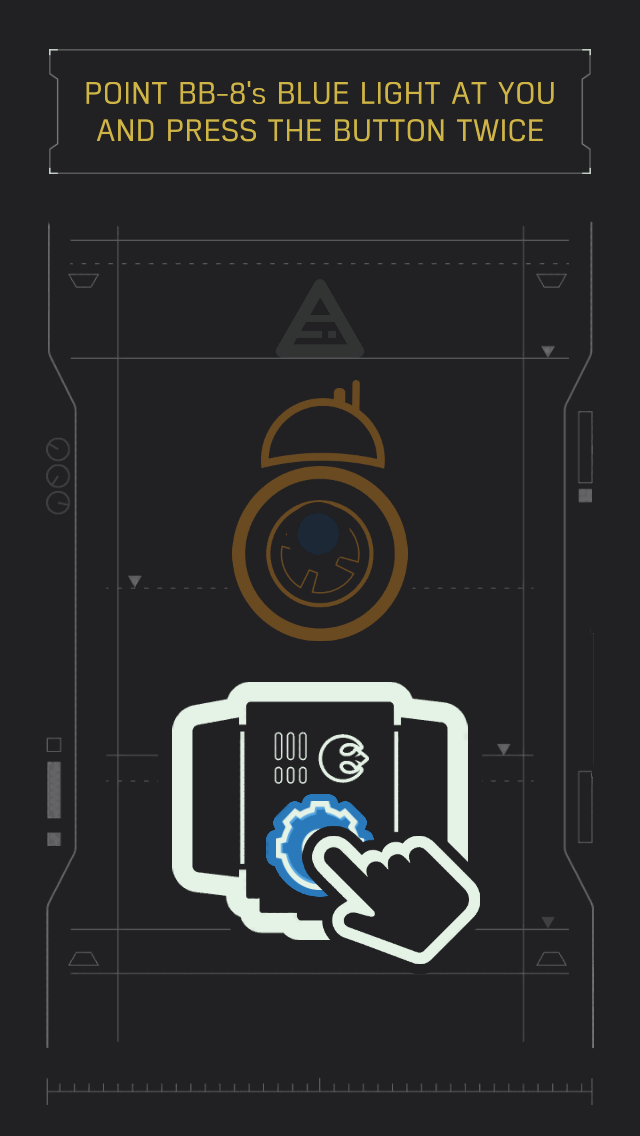
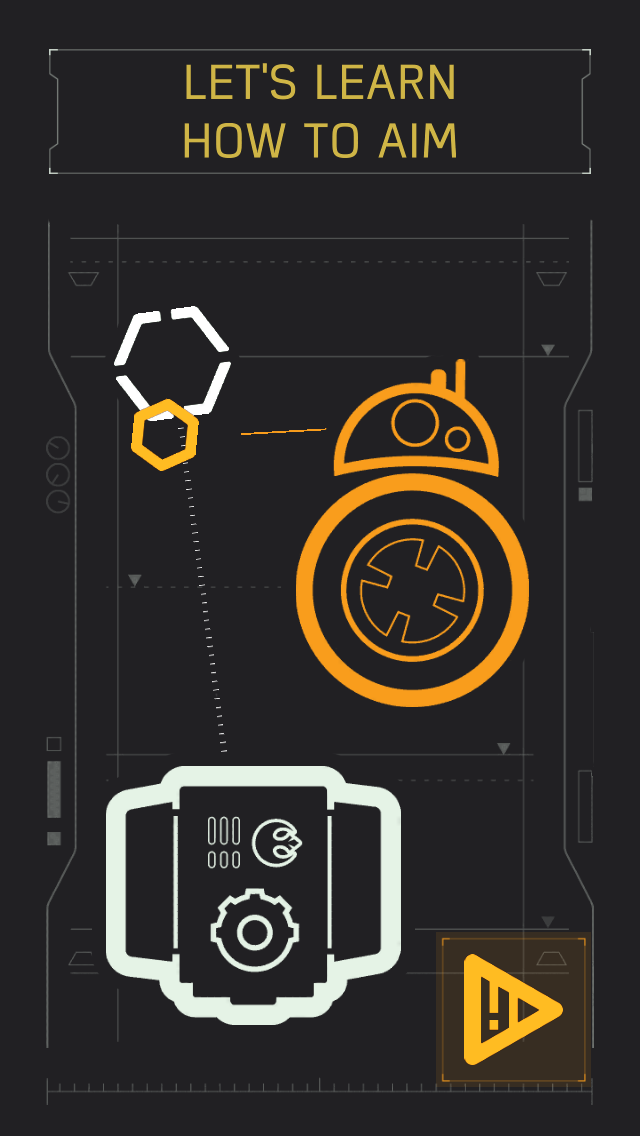
Players who failed calibration on first attempt abandoned the product. I redesigned calibration as the first game: a structured challenge that built muscle memory before handing players the controls.
The trade-off: longer onboarding path, but players arrived at free play with the skills to succeed rather than the frustration of already having failed.
Drive simulator before physical robot
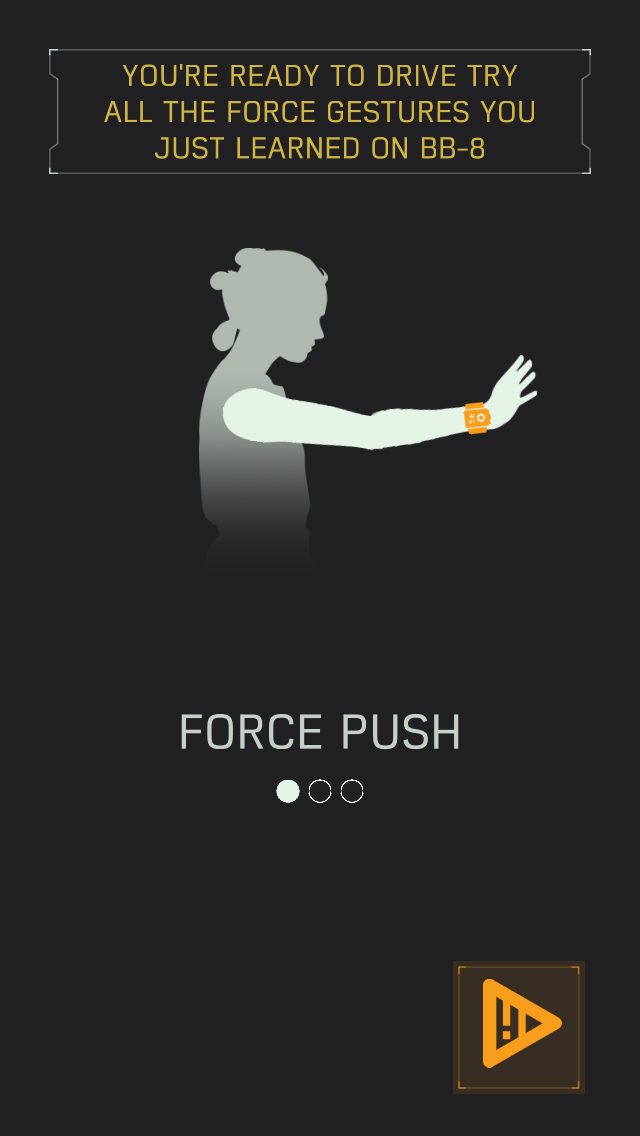
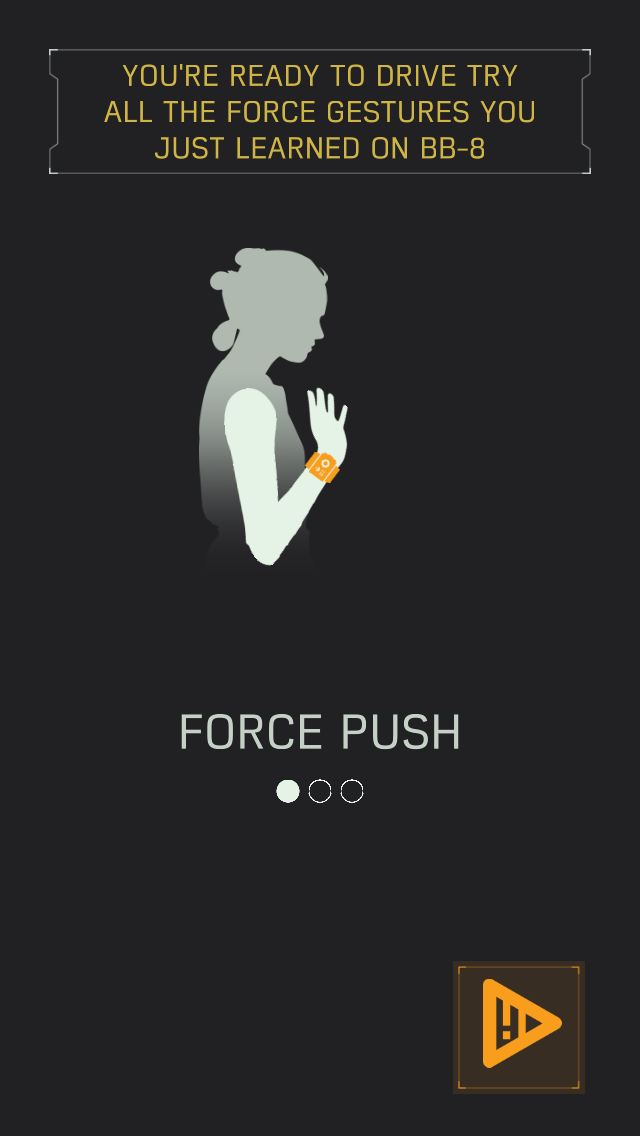
Even players who completed calibration struggled with the jump to controlling a physical robot. A digital drive simulator served as an intermediate step: same gesture mechanics, immediate and forgiving feedback, within the app.
The trade-off: required investment in animation, sound, and artwork to feel worth the extra step, but wrapped genuine frustration in a narrative that reinforced the Star Wars brand.
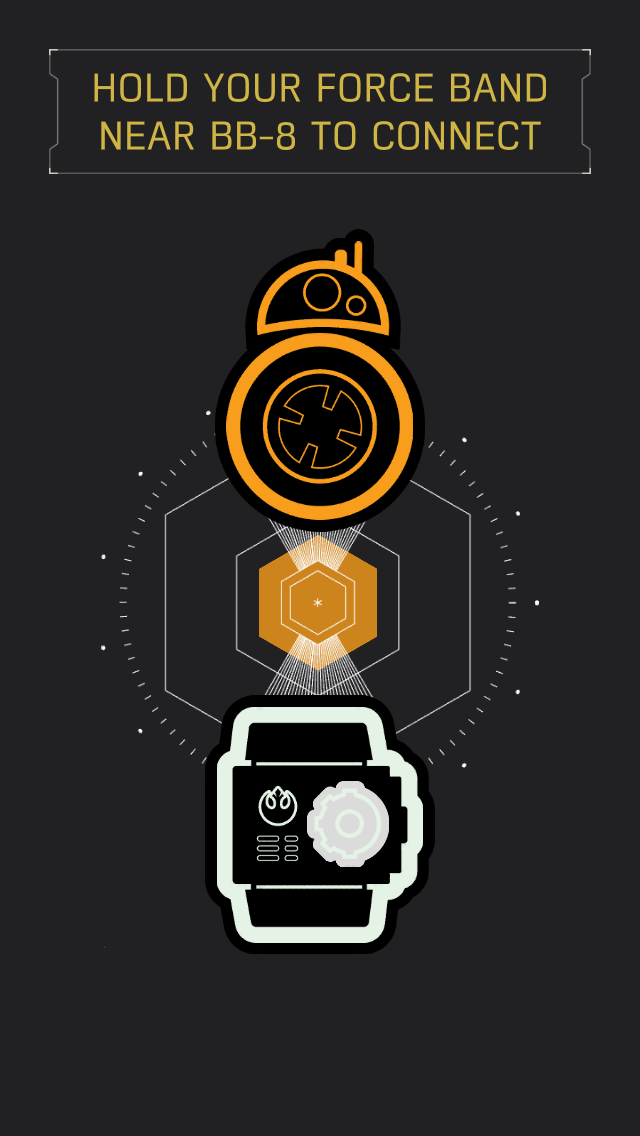
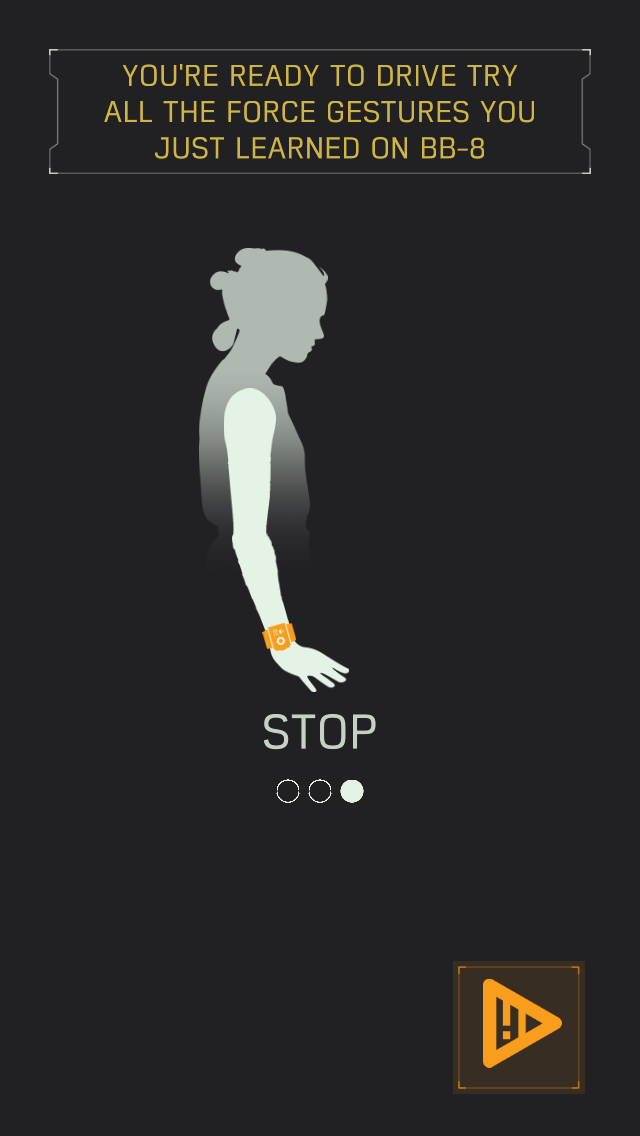
Ambient Play: unlock prizes within 3 minutes
Initial designs rewarded longer engagement windows. Research showed this reduced prize completion rates and increased battery drain without increasing meaningful engagement. I shortened the unlock window to three minutes.
The trade-off: slightly less frequent app return visits, but more prizes actually unlocked and longer total drive time per session.
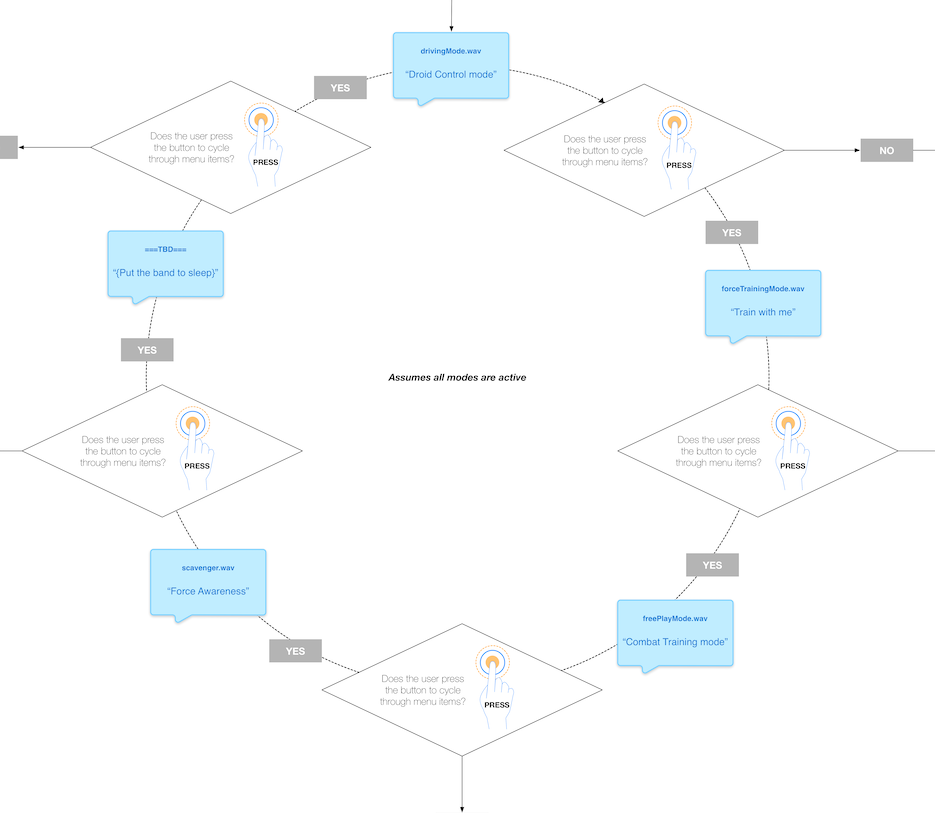
Screenless menu via haptic/audio/light
The Force Band had no screen. All feedback came through LED color and blink patterns, haptic pulses, and audio cues from the connected robot. Trade-off: the system had to be learned, which added onboarding friction, but once learned it felt native to the product and aligned with the Star Wars fantasy of sensing rather than operating.